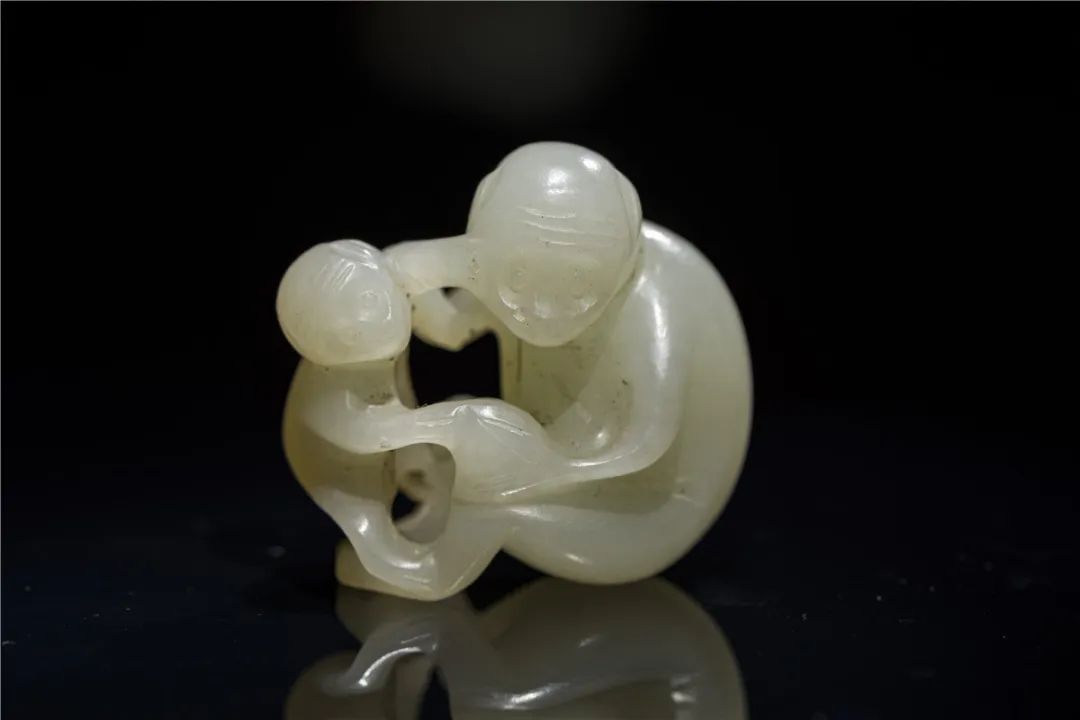
Jade Carving
Introduction
Jade carving, an ancient and revered craft, involves the intricate and delicate carving of jade, a precious stone valued for its beauty and rarity. This art form has a rich history, deeply rooted in various cultures, particularly in China where jade holds significant cultural and spiritual meanings. Jade carving requires a high level of skill and precision, as jade is a hard and tough material, making it challenging to work with. The art form has evolved over the centuries, with artisans developing new techniques and styles to express their creativity and convey cultural narratives through their work.
Historical Background
The history of jade carving art can be traced back thousands of years. In China, jade has been considered a symbol of purity and moral integrity, often associated with Confucian virtues. Archaeological findings have revealed jade artifacts dating back to the Neolithic period, indicating the long-standing importance of jade in Chinese culture. These artifacts include ritual objects, ornaments and tools, showcasing the skill and artistry of ancient jade carvers.
Throughout different dynasties, jade carving techniques and styles evolved, reflecting the cultural and artistic trends of the time. During the Han Dynasty (206 BC-220), jade carvings were often used in burial practices, while the Tang Dynasty (618-907) saw the creation of more ornamental pieces reflecting the prosperity and artistic richness of the era. The Qing Dynasty (1644-1911) is considered a golden age for jade carving, with craftsmen achieving unprecedented levels of detail and refinement in their work.
Techniques and Tools
Jade carving requires specialized tools and techniques to shape and polish the hard stone. Traditional tools include bow drills, chisels and abrasives, which are used to cut and smooth the jade. Modern jade carvers may also use electric rotary tools for precision and efficiency. The process begins with selecting a suitable jade stone, followed by sketching a design. The initial rough shaping is done with saws and grinders, gradually refining the piece with finer tools and abrasives.
Polishing is a crucial step in jade carving, as it enhances the stone's natural luster and brings out its vibrant colors. Carvers must also pay attention to the stone's natural flaws and inclusions, often incorporating these features into the design to enhance the overall aesthetic of the piece.
Cultural Significance
Jade holds a special place in Chinese culture, often referred to as the "Stone of Heaven". It is believed to possess protective and healing properties, symbolizing virtues such as wisdom, courage and compassion. In addition to its cultural and spiritual significance, jade has also played a role in social and political contexts, being used to denote status and wealth.
Jade carvings often depict traditional Chinese motifs, such as dragons, phoenixes and nature scenes, each carrying specific meanings and symbolism. These motifs are not only expressions of artistic skill but also convey cultural narratives and beliefs, preserving the heritage and values of the society.
Contemporary Jade Carving
In the modern era, jade carving continues to thrive, with contemporary artists exploring new themes and techniques. While traditional motifs remain popular, many artists are experimenting with abstract and modern designs, reflecting a blend of cultural heritage and contemporary influence. The global appreciation for jade has also led to increased interest in jade carving outside of China, with artisans and collectors around the world recognizing the beauty and craftsmanship involved in this art form.
Contemporary jade carvers face challenges such as sourcing high-quality jade, as some traditional jade sources have become depleted. However, advancements in technology and communication have allowed artisans to access new materials and share their work with a global audience, ensuring the continued evolution and appreciation of jade carving art.








